The Glow Everyone Is Asking About: Julaine, the Biostimulator Taking London by Storm
By
Rabia
Published
Ulrika Jonsson's skin glow-up put Julaine in the headlines. What this Swedish biostimulator does, who is talking about it, and how to have it safely in London.

Quick answer Julaine (JULÄINE) is a poly-L-lactic acid (PLLA) collagen biostimulator made in Sweden by Nordberg Medical. The best-known public example is TV presenter Ulrika Jonsson, whose London clinic said Julaine formed the foundation of her six-month skin plan. Beauty editors at Get The Gloss and Who What Wear have also written about their own results. Most celebrities do not name the injectables they use, so the glow is easier to spot than to confirm. Julaine works gradually over months and should be given by a medically qualified practitioner after a face-to-face consultation. |
If you have noticed friends, presenters and beauty editors looking fresher in a way you cannot quite put your finger on, you are not imagining it. In clinics across London, the conversation has moved away from filling the face and towards rebuilding the skin. One name keeps coming up in those conversations: Julaine.
At Dr L'Art in Holborn, patients now arrive with screenshots of headlines and a simple question: who is actually having this, and would it suit me? This article answers both honestly, including what we can and cannot confirm about the famous faces linked to it.
What is Julaine?
Julaine, written JULÄINE by the manufacturer, is an injectable collagen biostimulator developed and made in Sweden by Nordberg Medical. Its active ingredient is poly-L-lactic acid (PLLA), the same family of ingredient used in the long-established biostimulator Sculptra. Rather than adding a gel that sits under the skin, PLLA prompts your own fibroblast cells to produce new collagen over the following weeks and months.
That is why it is described as a "skin quality" treatment rather than a volumiser. The aim is firmer, thicker, smoother skin that looks like your own on a very good day. If you want to understand where it sits alongside other options, our guide to dermal fillers vs biostimulators explains the difference in plain English.
Which celebrities have had Julaine?
The clearest public example in the UK is Ulrika Jonsson. In spring 2026 the presenter shared the results of a six-month skin plan designed to address years of sun damage. Her treating clinic, Define Clinic in London, explained that Julaine was used as the core foundation of the protocol, followed by treatments including polynucleotides, BBL laser and HIFU. Coverage at the time put the overall plan at around £17,000, and she spoke openly about wanting reassurance and realistic expectations rather than a new face.
Beyond Ulrika, the most detailed first-hand accounts come from beauty journalists rather than film stars. Get The Gloss beauty director Ingeborg van Lotringen wrote about her own course of three Julaine sessions and compared the result to a real-life version of a face filter. Who What Wear UK also published a first-timer's review from writer Florrie Alexander. Clinicians have told the press that Julaine is proving popular with perimenopausal women who notice their skin losing firmness.
Why most famous names stay quiet
You will see plenty of articles claiming that a long list of A-listers "swear by" Julaine. Be cautious. Most public figures never confirm which injectables they have had, and a biostimulator is designed to be undetectable. Get The Gloss noted that while the look is increasingly visible among celebrities and skin doctors, most have stayed tight-lipped about it. We would rather tell you what has been confirmed than repeat guesses.
Why is Julaine so popular in London right now?
• The "undone" look is in. Patients want to look rested and healthy, not altered. Biostimulators suit that brief because results build slowly and naturally.
• One treatment works on skin quality across the face. Julaine is commonly used for crepey texture, early laxity and loss of density rather than one specific line.
• Results are long-lasting. One of the UK's most experienced Julaine injectors told Get The Gloss that results keep improving as the product works in the skin for up to two years.
• Midlife skin changes. Collagen loss speeds up around the menopause, and many women in their 40s and 50s are looking for treatments that address the cause rather than the symptom.
What does a Julaine treatment involve?
Treatment usually begins with a consultation and skin assessment. Julaine is then injected, often with a fine cannula through a small number of entry points, so the product can be spread evenly through the target area. Most patients have a course of sessions spaced several weeks apart, and the effect develops gradually over the following months as new collagen forms.
Expect some swelling, tenderness or bruising for a few days. Because PLLA must be distributed evenly, technique and aftercare matter. Uneven placement is one reason we never recommend having biostimulators in a non-medical setting.
Is Julaine right for you?
Julaine tends to suit adults who have early to moderate loss of firmness, crepey or thinning skin, or sun-damaged texture, and who are happy to wait for results. It is not the right choice if you want instant volume for an event next week, if you have active skin infection or inflammation, or if you are pregnant or breastfeeding. Sometimes a different biostimulator, a polynucleotide course or a laser will be the better first step, and a good practitioner will tell you so.
At Dr L'Art, Julaine sits within a wider anti-ageing treatment plan alongside other biostimulators such as Sculptra, Ellansé and Juvelook. You can read how they compare in our guide to non-surgical facelift options in London.
Who will treat you at Dr L'Art?
Every injectable treatment at Dr L'Art is planned by Dr Dianni Dai, our Medical Director. Dr Dianni holds dual medical degrees including a Master's in Aesthetic Medicine, has more than 11 years of clinical experience with a foundation in NHS general medicine, and trained in aesthetics in the UK, South Korea and the Middle East. She is a member of the British College of Aesthetic Medicine and the British Medical Laser Association.
Frequently asked questions
Did Ulrika Jonsson have Julaine?
Yes. Her London clinic publicly described Julaine as the foundation of her six-month skin plan, combined with other treatments.
Is Julaine a filler?
No. It is a PLLA collagen biostimulator. It does not add instant volume; it encourages your skin to make new collagen over time.
How long does Julaine last?
Results build over several months and are designed to be long-lasting, with experienced injectors reporting continued improvement for up to two years. Individual results vary.
Will people notice I have had it?
Julaine is designed to look natural. Most people notice that you look well rather than that you have had something done.
Where can I have Julaine in London?
At Dr L'Art in Holborn, central London, after a consultation with Dr Dianni Dai. See our prices page for current fees.
Book your consultation
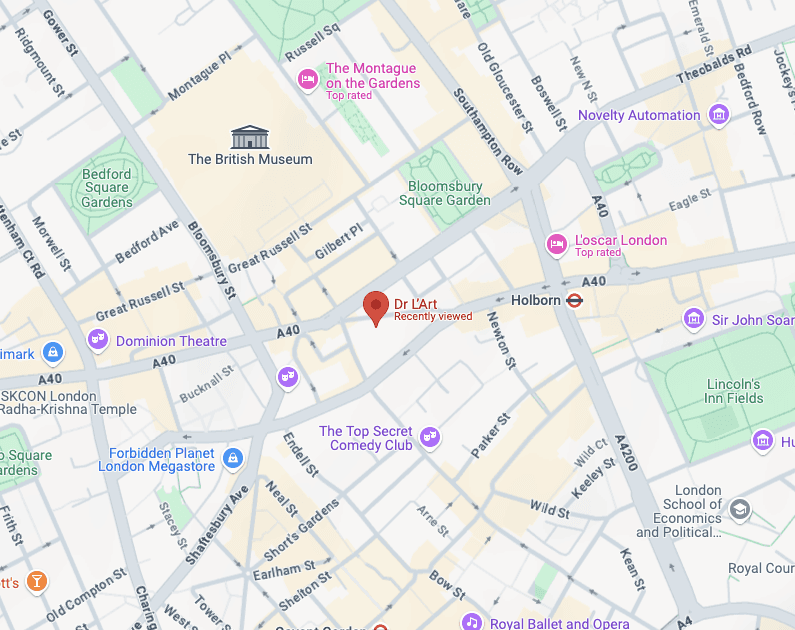
If you are curious about Julaine, the first step is an honest conversation about your skin and your goals. Contact Dr L'Art to book a consultation at our New Oxford Street clinic, a short walk from Holborn and Tottenham Court Road stations.
Medically reviewed by Dr Dianni Dai (MBChB, MSc Hons, MBA), Medical Director of Dr L'Art Aesthetic Clinic, 29–31 New Oxford Street, Holborn, London WC1A 1BA. Member of the British College of Aesthetic Medicine (BCAM) and the British Medical Laser Association (BMLA). Information on regulation reflects UK government and industry publications at the time of writing and may change.