Your First Fortnight After UltraPulse CO2: A Day-by-Day Skin Care Guide
Par
Rabia
Publié

Quick answer After UltraPulse CO2, keep the skin clean, moist and protected. Cleanse gently with cool water, apply the healing balm your clinic recommends, and do not pick or scrub flaking skin. Avoid makeup until the skin has healed (often around day 7 for fractional treatments), avoid heat, exercise and swimming in the first week, and use broad-spectrum SPF 30 or higher with a hat for at least three months. Contact your clinic straight away if you notice spreading redness, pus, blisters, severe pain or fever. |
The laser does its work in under an hour. The next two weeks decide how good the result looks. Many of the problems we are asked to fix after CO2 resurfacing elsewhere, from dark patches to prolonged redness, come down to aftercare that was rushed or unclear.
This guide explains what normal healing looks like after UltraPulse CO2 laser and what to do at each stage. Always follow the personal instructions your doctor gives you, because aftercare depends on the mode and depth used.
What is normal after CO2 laser?
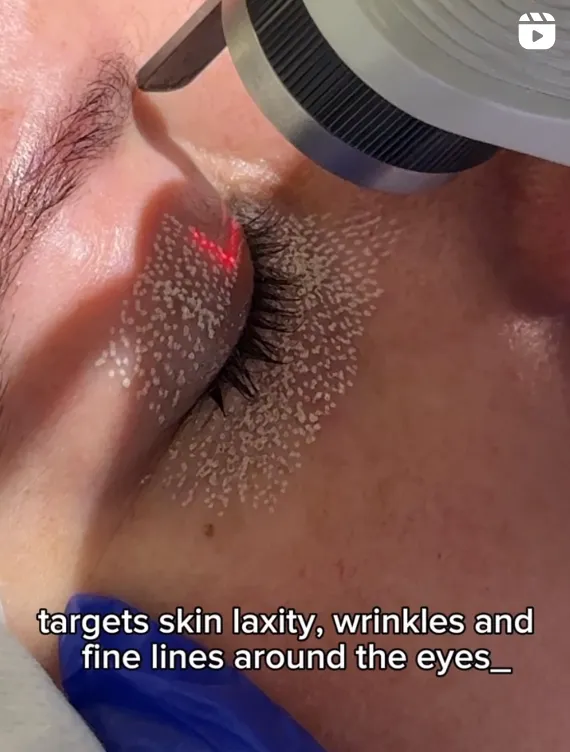
Fractional CO2 creates thousands of tiny treated columns in the skin. As they heal, it is normal to experience:
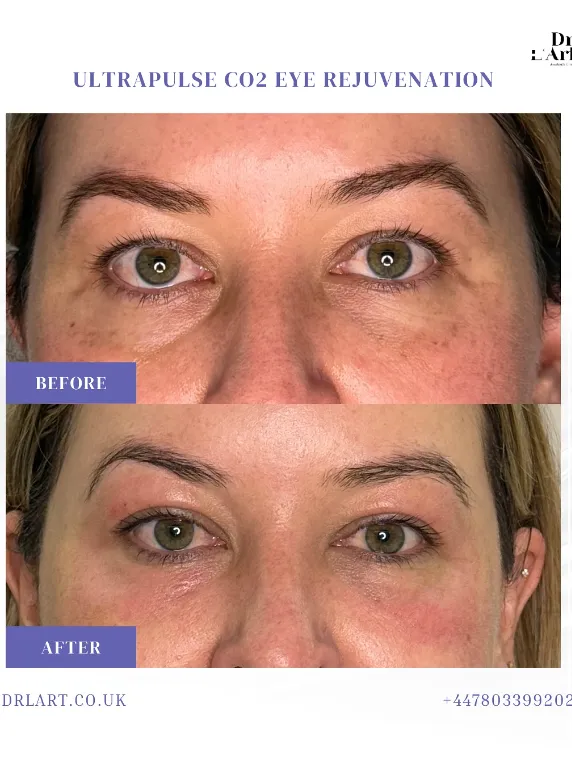
• Redness and warmth, similar to sunburn, for the first few days
• Swelling, especially around the eyes and on waking
• Pinpoint oozing or a sticky feeling on day one or two
• A rough, sandpaper-like texture and brown flecks as treated skin comes away
• Flaking and peeling, usually between day three and day seven
• A pink glow that can last several weeks after the skin has healed
Day-by-day UltraPulse CO2 aftercare
Day 0 to day 2: protect and soothe
• Rinse or cleanse very gently with cool water and the gentle cleanser your clinic recommends. Pat dry with a clean towel; do not rub.
• Keep the skin moist with a thin layer of the recommended healing balm. Skin that dries out heals more slowly.
• Sleep with your head slightly raised on a clean pillowcase to reduce swelling.
• Use cool compresses for comfort. Avoid ice directly on the skin.
• Take any medication prescribed for you, such as antiviral tablets, exactly as directed.
Day 3 to day 7: let it peel
• Keep cleansing gently and moisturising. Itching is common and is a sign of healing.
• Do not pick, scrub or peel flaking skin. Pulling it off early can cause pigmentation or scarring.
• Stay out of the sun. If you must go out, wear a wide-brimmed hat and use shade.
• Avoid makeup, actives, fragrance and anything that stings.
Day 7 to day 14: the skin is new
• Once the skin has healed and peeling has finished, you can usually switch to a gentle moisturiser and begin a mineral sunscreen.
• Light mineral makeup is often possible from around the one-week mark after fractional treatments. Use new or freshly washed brushes and sponges.
• Your skin will still be sensitive and pink. Keep routines simple.
Week 2 to month 3: protect your result
• Use broad-spectrum SPF 30 or higher every day, even in a London winter and when sitting by windows.
• Avoid sunbeds, tanning and deliberate sun exposure.
• Wait for your doctor's approval before restarting retinoids, acids, exfoliating scrubs, waxing or peels; this is often several weeks.
• Collagen remodelling continues for months, so your skin keeps improving long after it looks healed.
What should you avoid after CO2 laser?
Avoid | For how long | Why |
Makeup | Until the skin has fully healed (often about a week for fractional) | Can irritate open skin and introduce bacteria |
Heavy exercise, saunas, hot baths, swimming | At least the first week | Heat and sweat increase swelling and infection risk |
Direct sun | Strictly in the first weeks; protect for at least 3 months | New skin pigments easily |
Retinoids, acids, scrubs | Until your doctor says it is safe | Too harsh for healing skin |
Picking or peeling | Always | Increases the risk of scarring and dark marks |
When should you call your clinic?
Contact us straight away if you notice any of the following. Early treatment makes a real difference.
• Redness, heat or swelling that is getting worse rather than better after day three
• Yellow crusting, pus or an unpleasant smell
• Clusters of small blisters or a cold sore
• Severe or increasing pain
• Fever or feeling unwell
• Dark patches appearing as the skin heals
Why aftercare is easier with a doctor-led clinic
At Dr L'Art, CO2 treatments are planned by Dr Dianni Dai, a member of the British Medical Laser Association with more than 11 years of clinical experience. Your aftercare plan is written for your skin type and the mode used, any medication you need is prescribed in advance, and you can reach the team who treated you if something does not look right.
Once your skin has fully recovered, supportive treatments can extend your result. Many patients follow resurfacing with skin-quality treatments from our better skin menu, or continue a staged scar treatment plan.
Frequently asked questions
How long does it take to recover from UltraPulse CO2?
Most social downtime after fractional treatment is around one week, with pinkness that can last a few weeks. Deeper treatments take longer.
When can I wear makeup after CO2 laser?
Once the skin has healed and stopped peeling, often around day seven after fractional treatment. Start with mineral makeup and clean tools.
Can I wash my face after CO2 laser?
Yes. Gentle cleansing with cool water is part of aftercare. Avoid rubbing and hot water.
When can I exercise again?
Usually after the first week, once the skin has healed. Your doctor will confirm for your treatment depth.
Is it normal for my skin to look darker after CO2?
Brown flecks during the peeling phase are normal. New patches of darkening after healing are not, and you should contact your clinic.
Questions about your recovery?
If you are planning treatment or recovering from one, our team is here to help. Contact Dr L'Art at our Holborn clinic.
Medically reviewed by Dr Dianni Dai (MBChB, MSc Hons, MBA), Medical Director of Dr L'Art Aesthetic Clinic, 29–31 New Oxford Street, Holborn, London WC1A 1BA. Member of the British College of Aesthetic Medicine (BCAM) and the British Medical Laser Association (BMLA). This guide is general information and does not replace the personal aftercare instructions given by your treating doctor.
Parrainez un ami et bénéficiez CHACUN de 50 £ de réduction sur votre prochain traitement
Des conditions générales s'appliquent