Why Is Everyone Booking Cryo Facials This Summer?
By
Published
Find out why cryo facials are this summer's hottest skincare treatment. Learn about the benefits, how they work, and whether they're right for your skin.
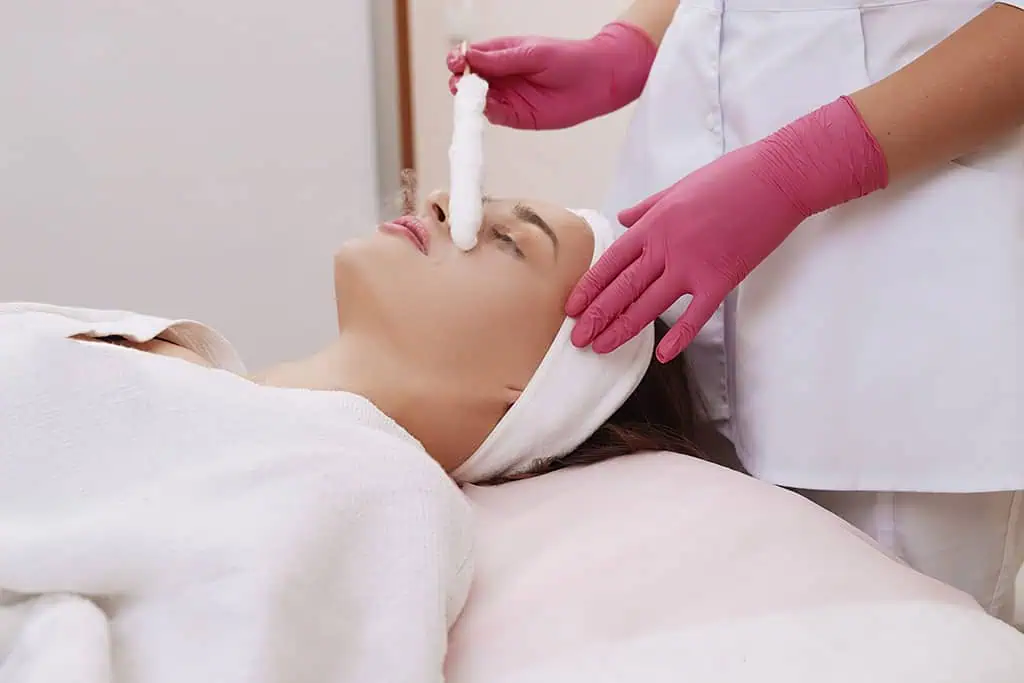
There's a reason cryotherapy has quietly become one of the most requested treatments of the summer season. It's fast, there's zero downtime, and the effect — a tightened, de-puffed, camera-ready glow — is exactly what people want before a wedding, a red carpet, or simply a heatwave that's left their skin looking tired. Here's what's actually happening under that frosty facial mask, and why summer is genuinely the smartest time to book it.
What Is a Cryo Facial?
A cryo facial uses controlled cold — delivered via targeted devices such as the Gelida system — to rapidly cool the skin's surface. That sudden drop in temperature causes blood vessels to constrict and then rebound, boosting circulation, calming inflammation, tightening the appearance of pores, and leaving skin looking noticeably brighter and firmer within minutes.
It's become a favourite pre-event treatment precisely because there's no redness, no peeling and no downtime — just an immediate, photograph-ready result.
What About Cryo Body Treatments?
Cryotherapy isn't only for the face. Cryo body treatments apply the same principle of controlled cold exposure to areas like the abdomen, thighs or arms, supporting circulation, reducing the appearance of puffiness, and giving skin a firmer, more toned look — a popular add-on to a body contouring plan in the run-up to summer.
Why Summer Is Prime Time for Cryo
Heat causes blood vessels to dilate, which is exactly why skin can look flushed, puffy or dull during warmer months. Cryotherapy works directly against that — cooling and constricting vessels for an almost instant de-puffing, brightening effect. It also carries none of the sun-sensitivity restrictions that come with treatments like lasers or peels, making it one of the few genuinely 'summer-safe' options for visible, same-day results.
Is Cryotherapy Safe for Everyone?
Cryotherapy is generally very well tolerated, but it isn't automatically right for everyone. Conditions such as cold urticaria, Raynaud's phenomenon, certain circulatory issues, or pregnancy typically mean cryotherapy should be avoided or adjusted. This is exactly the kind of medical history check that should happen before treatment — not skipped in the name of convenience.
Doctor-Led vs Beauty-Salon Cryo: What's the Difference?
Cryotherapy has understandably found its way into salons and spas as a 'quick glow' treatment, and for low-intensity general use that can be perfectly appropriate. But when cryo is combined with other active treatments, used on more sensitive skin types, or as part of a broader anti-ageing or body plan, having a doctor assess suitability first adds a genuine layer of safety — particularly for anyone with underlying skin or circulatory conditions.
Frequently Asked Questions
How long does a cryo facial take?
Most cryo facial sessions take around 15–30 minutes, making it one of the easiest treatments to fit around a lunch break before an evening event.
Are results from a cryo facial immediate?
Yes — the brightening, tightening and de-puffing effect is visible straight away, which is why it's such a popular pre-event treatment.
Can I combine a cryo facial with other treatments?
Often, yes — it's frequently used alongside treatments like HydraFacial or as a finishing step after other procedures, but this should be confirmed with your practitioner based on what else you're having done.
Is cryotherapy suitable during a heatwave?
It's actually one of the best options — cryotherapy directly counters the vessel dilation and puffiness that hot weather causes, without the sun-sensitivity restrictions of many other treatments.
Book a Consultation
Ready to cool down and glow up before your next event or holiday?
Book a doctor-assessed Gelida Cryo Facial or cryo body session at Dr L'Art in Holborn, London.