What Are Biostimulators? The Science Behind Sculptra, Juvelook & Ellansé — Explained by a Doctor
By
Published
Discover how biostimulators like Sculptra, Juvelook, and Ellansé stimulate collagen production. A doctor explains the science, benefits, and key differences.
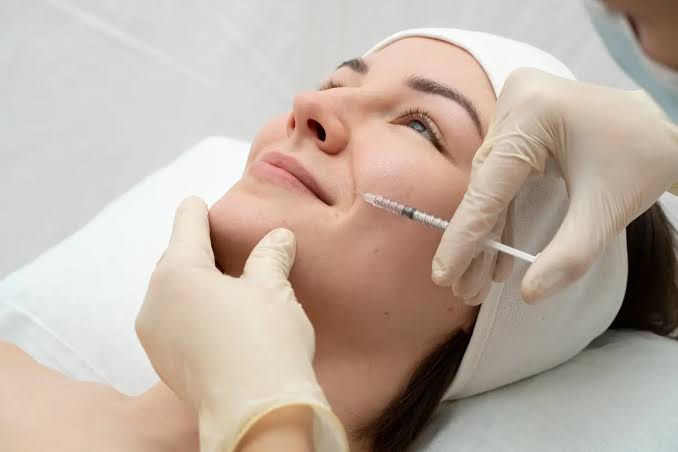
If you've spent any time in an aesthetics waiting room lately, you've probably heard the word "biostimulator." It's become one of the most searched terms in the anti-ageing world — and one of the most misunderstood. Biostimulators aren't fillers, they aren't Botox, and they don't work overnight. They work with your biology, not against it, which is exactly why they need a doctor's judgement to get right.
Fillers vs Biostimulators: What's the Difference?
Traditional hyaluronic acid filler adds volume directly — it sits where it's placed and does its job immediately. A biostimulator does something quite different: it triggers your own body to produce new collagen over time, gradually improving skin quality, thickness and firmness from within.
Think of filler as borrowing volume, and a biostimulator as investing in your skin's own infrastructure.
How Do Biostimulators Actually Work?
Most biostimulators are built around biocompatible substances — poly-L-lactic acid, polynucleotides, or polycaprolactone, depending on the product — that the body recognises as a mild, controlled stimulus. This kicks off a natural healing response: fibroblasts are activated, and new collagen is laid down gradually over weeks to months, rather than appearing instantly.
That's why patience is part of the treatment. The best results are typically seen after a short course of sessions spaced several weeks apart, with improvement building progressively rather than all at once.
Sculptra, Juvelook & Ellansé — How They Differ
Sculptra is one of the most established biostimulators, built on poly-L-lactic acid, and is well suited to broader areas of facial volume loss and overall skin quality improvement.
Juvelook, a Korean-developed biostimulator, has become popular for its dual action on both collagen stimulation and skin hydration, often favoured for a fresher, more 'glass skin' style finish.
Ellansé combines an immediate volumising gel with polycaprolactone microspheres that continue stimulating collagen for months afterwards — giving both an instant and a long-term effect, which is part of why it's often used in structural facial rejuvenation and liquid facelift approaches.
None of these products is inherently 'better' than the others — the right choice depends on your skin, your goals, and how these approaches are combined by the treating doctor.
What Results Should You Expect, and When?
Because biostimulators work with your own collagen pathway, visible changes tend to build gradually over 6–12 weeks after each session, with a full course often recommended for the best outcome. Most people describe the result as looking simply 'well' or 'rested' — the hallmark of a natural, doctor-led approach rather than an obviously 'done' look.
Why This Isn't a 'Walk-In' Treatment
Because biostimulators trigger a biological response rather than sitting inertly under the skin, correct product selection, dilution, depth and technique genuinely matter — errors here are far harder to correct than with standard filler. This is a treatment category that benefits enormously from being delivered by a physician who understands facial anatomy and the pharmacology of what's being injected, rather than a purely cosmetic technician.
Frequently Asked Questions
Are biostimulators safe?
When appropriately selected, correctly diluted and injected by a trained medical professional, biostimulators have a strong safety profile. As with any injectable, a proper medical consultation and technique are essential to minimise risk.
How long do biostimulator results last?
Depending on the product used, results from a full course can last from around twelve months up to two years or more, as the new collagen gradually breaks down over time.
Do biostimulators hurt?
Most patients describe mild discomfort similar to standard filler injections, which is typically well managed with topical numbing and careful technique.
Can biostimulators replace filler completely?
Not always — many doctors combine biostimulators with a smaller amount of traditional filler for a balanced result: immediate refinement alongside longer-term skin quality improvement.
Book a Consultation
Curious whether Sculptra, Juvelook or Ellansé is the right fit for your skin? Book a consultation with Dr Dianni Dai at Dr L'Art — GMC-registered and an official UK partner for Juvelook and Ellansé — for a tailored biostimulator plan.