Should you do Ultrapulse CO2 during the summer months?
By
Published
Wondering if UltraPulse CO2 laser is safe in summer? Learn the benefits, risks, aftercare and how to protect your skin for the best results.

Every summer, we get a version of the same question: "Can I still have my UltraPulse CO2 treatment, or should I wait until autumn?" It's a fair question, and the honest answer is: it depends on your skin, your goals, and how much downtime you can realistically work around.
Let's unpack this properly, because we'd rather give you the full picture than a quick yes or no that leaves you disappointed (or worse, with skin that hasn't healed the way it should).
Why Summer Raises the Question
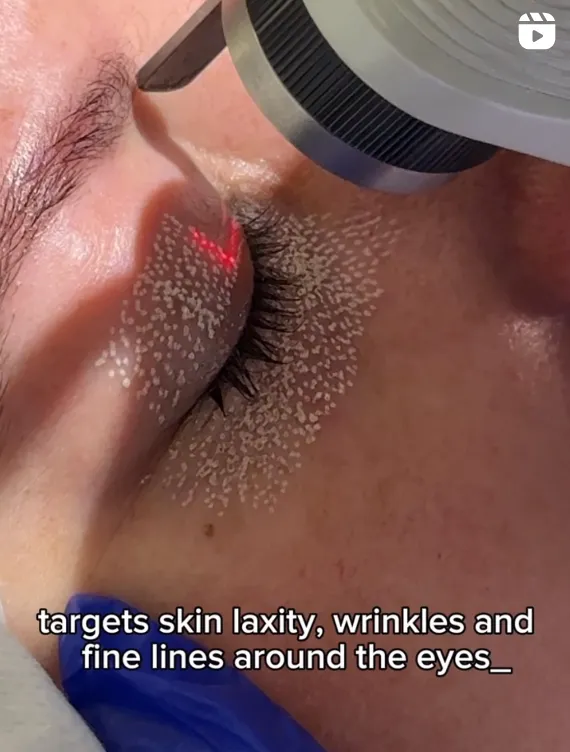
UltraPulse CO2 is one of the most powerful laser resurfacing technologies available, and Dr Dianni is highly experienced in using it for skin resurfacing, scarring, and complex dermatological concerns. Because it works by creating controlled, precise microinjuries to stimulate collagen renewal, the treated skin is temporarily more vulnerable, particularly to UV exposure.
Sun exposure on freshly resurfaced skin can increase the risk of pigmentation issues during healing. This is the main reason CO2 resurfacing is often associated with the cooler, lower sun months.
So, Is Summer Completely Off the Table?
Not necessarily. The real question isn't 'what season is it', it's 'can you commit to the downtime and aftercare your skin will need to heal properly, regardless of the time of year?'
If your lifestyle allows for some time spent indoors, away from direct sun, and you're prepared to be diligent with SPF and aftercare, summer treatment can absolutely still be considered, on a case by case basis, following a thorough consultation.
Questions Worth Asking Yourself Before Booking
• Do you have travel, weddings, or events planned in the weeks immediately after treatment?
• Can you realistically stay out of direct sunlight, or limit outdoor time, while your skin heals?
• Are you committed to wearing (and reapplying) a high factor SPF religiously during recovery?
• Do you have a few days where staying home, without much socialising, is genuinely feasible?
If you answered yes to the last three, summer treatment may well be workable for you. If your summer is packed with festivals, beach holidays, and back to back social events, it might be worth discussing a later slot.
What Downtime Actually Looks Like
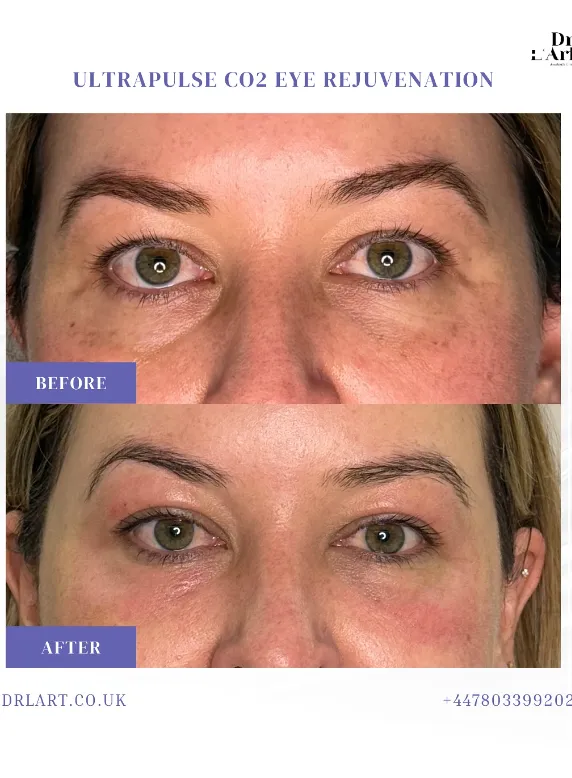
Depending on the intensity of your UltraPulse CO2 treatment, downtime can range from a few days of redness and sensitivity to a longer healing period for deeper resurfacing. During this time, the skin needs gentle care, protection from the sun, and patience while it does its remarkable repair work.
This is exactly why we say it's manageable for those who can accommodate downtime such as staying at home without going out much, the treatment itself isn't the limiting factor, your schedule is.
Our Honest Recommendation
We won't tell you summer is 'totally fine, go ahead' just to get you booked in, and we won't tell you to wait six months if your skin genuinely needs attention now. What we will do is have an honest conversation during your consultation about your skin, your goals, your calendar, and the realistic aftercare involved.
Dr Dianni's approach has always been rooted in her NHS training, evidence based, ethical, and centred on what's right for you, not just what's convenient for our diary.
Curious If Now Is the Right Time for You? Book a consultation and we'll talk through your skin concerns, your summer plans, and whether UltraPulse CO2 fits your timeline, or whether another treatment might serve you better right now. Book your consultation: https://partner.pabau.com/online-bookings/DrLArt?groupCategory=0 |
Discreet results, evidence based care, every season, at Dr L'Art Aesthetic Clinic, London.