How to Deal With Menopausal Skin Changes
By
Published
Learn how to manage menopausal skin changes with practical tips for dryness, wrinkles, sensitivity, and other common skin concerns.
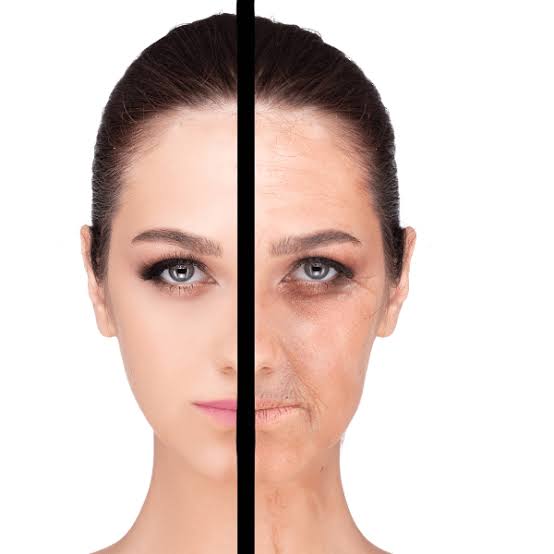
If your skin has suddenly become drier, thinner or less resilient during perimenopause or menopause, you are experiencing one of the most common — and most treatable — aspects of this life stage. Here is how to approach menopausal skin changes practically, from everyday skincare through to in-clinic treatments available at Dr L'Art in London.
Why Does Menopause Cause Dryness, Thinning and Sagging?
The decline in oestrogen during menopause directly reduces collagen production, slows cell turnover, and impairs the skin's natural barrier function — meaning it holds onto less moisture and takes longer to repair itself. This combination is what causes the dryness, fine lines and reduced firmness many women notice within just a few years of entering perimenopause.
What Skincare Changes Should You Make During Menopause?
● Switch to richer, barrier-supporting moisturisers containing ceramides and hyaluronic acid to combat increased dryness.
● Introduce a gentle retinoid to support cell turnover and collagen stimulation, starting low and building tolerance gradually.
● Prioritise daily SPF, as thinning skin becomes more vulnerable to UV-related pigmentation and further collagen breakdown.
● Add antioxidant serums such as vitamin C to help protect against environmental damage and support a brighter complexion.
● Avoid over-exfoliating, as menopausal skin has a more fragile barrier and can become irritated more easily than before.
Which In-Clinic Treatments Help Menopausal Skin?
Skincare alone often cannot fully address the structural collagen loss that occurs during menopause, which is where medical aesthetic treatments can help. At Dr L'Art, popular options include:
● Biostimulators (such as Sculptra, Radiesse, Juvelook or Ellanse) to rebuild lost collagen and improve skin density over time.
● Rejuran polynucleotide treatments to support skin repair, hydration and overall quality.
● Ultherapy PRIME to lift and firm areas affected by loss of elasticity, such as the jawline and neck.
● Hydrafacial and skin boosters to restore hydration and radiance to a dull, dry complexion — explore our full skin treatment range.
What Lifestyle Factors Support Skin Health During Menopause?
Beyond skincare and in-clinic treatment, staying well hydrated, eating a protein- and antioxidant-rich diet, prioritising sleep, and managing stress all support the skin's resilience during this transition. Regular exercise also helps maintain circulation and muscle tone, which indirectly supports skin firmness.
When Should You See a Professional About Menopausal Skin?
If dryness, sensitivity or laxity are significantly affecting your confidence, or if over-the-counter skincare has not made a noticeable difference after a few months, a consultation with a medical aesthetic practitioner can help identify the most effective next steps — whether that is a tailored skincare regime, a course of biostimulators, or a combination approach.
Frequently Asked Questions
Can retinol be used safely during menopause?
Yes, though it should be introduced gradually and paired with good moisturisation, as menopausal skin can be more prone to irritation.
How soon will I see improvement from in-clinic treatment?
This depends on the treatment — biostimulators build results gradually over weeks to months, while skin boosters and hydrafacials can show more immediate improvement in hydration and glow.
Is menopausal skin more sensitive to aesthetic treatments?
It can be more reactive due to a compromised barrier, which is why a professional assessment beforehand is important to choose suitable treatments.
Does diet really affect menopausal skin?
Yes, adequate protein, omega-3s and hydration all support collagen production and skin barrier function during this hormonal transition.
Where can I get menopausal skin advice in London?
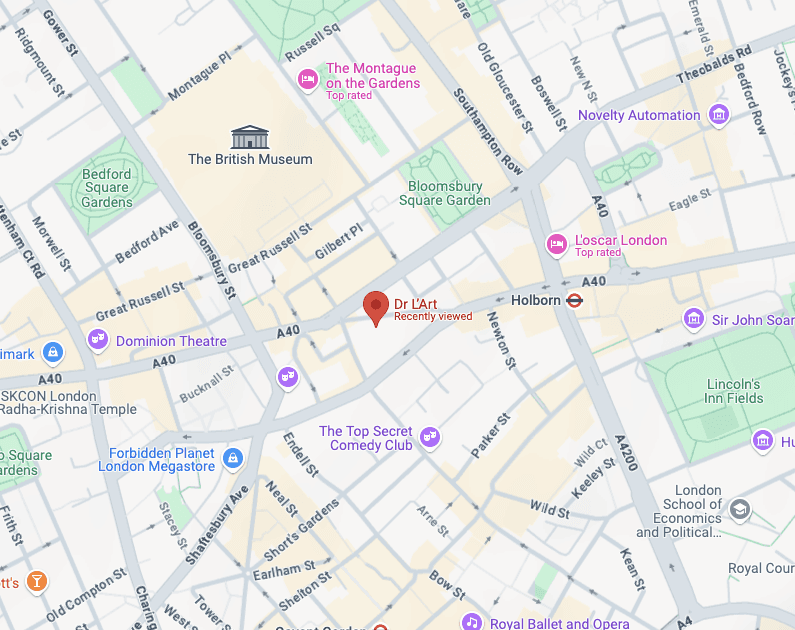
Dr L'Art Aesthetic Clinic in Holborn offers dedicated consultations to assess menopausal skin changes and recommend a personalised plan.
Want a personalised plan for menopausal skin changes? Book a consultation with Dr Dianni, or browse our skin treatments.